Scratches Explained: A Deep Dive into Your Car's Paint and How to Revitalize It
BOOK ONLINE GET A FREE ESTIMATEScratches on a vehicle’s paint are more than just unsightly blemishes; they can also affect your car’s overall aesthetic and longevity. In this blog post, we’ll dive into what a scratch is on a molecular level, how light interacts with these imperfections, and how techniques like wet sanding and polishing can help minimize their appearance.
What is a Scratch in Your Paint?
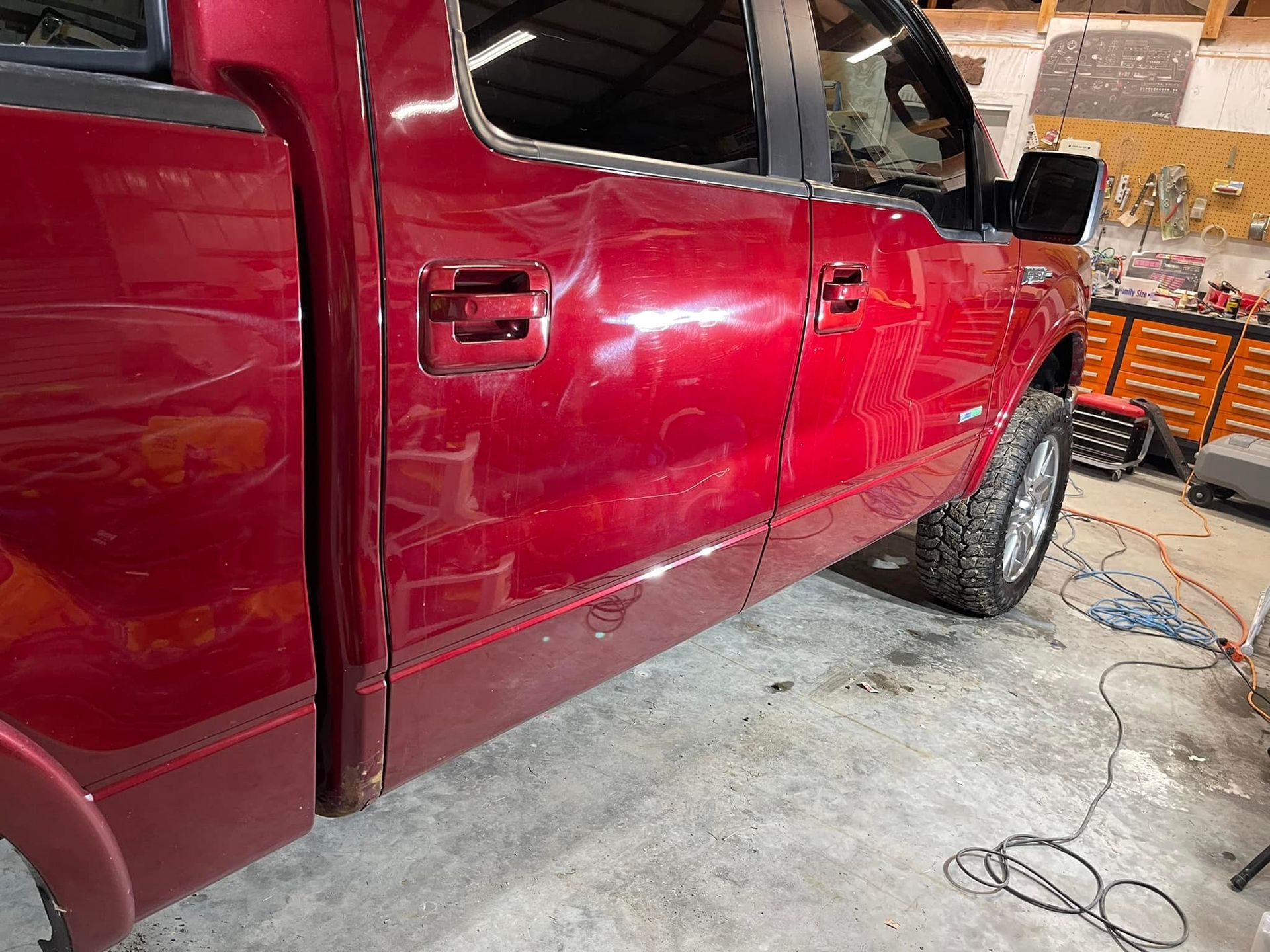
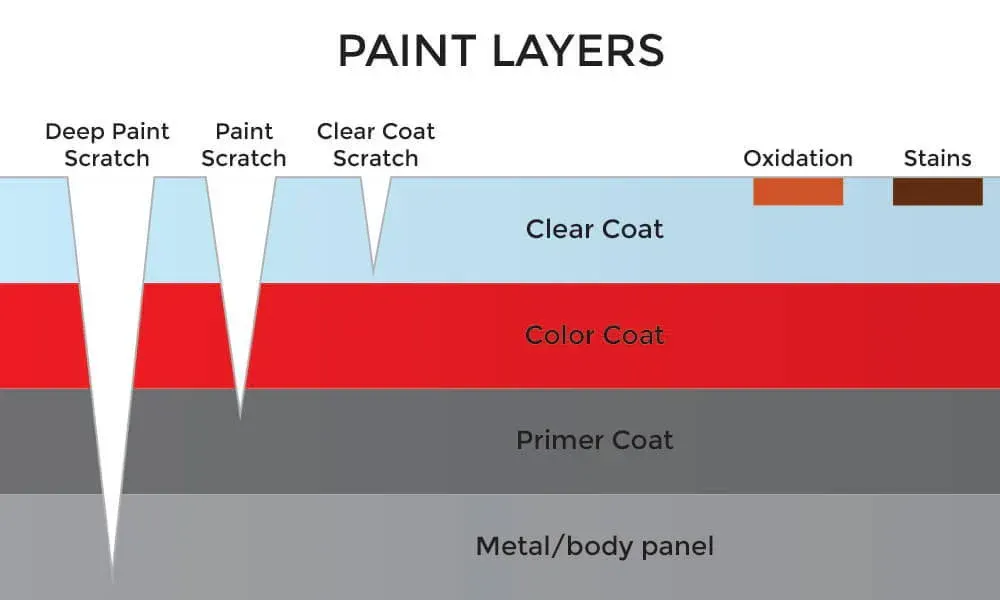
At its core, a scratch is a disruption in the clear coat and paint of a vehicle’s finish. It can occur for a variety of reasons, including debris from the road, errant shopping carts, tree branches, or even improper washing techniques. Scratches can be classified into several categories based on their depth:
Clear Coat Scratches: These are the least severe and only affect the clear coat layer. They can often be polished out relatively easily.
Paint Scratches: More serious than clear coat scratches, these penetrate into the base color layer but typically do not reach the primer. Depending on the depth, these scratches may also be treated with polishing techniques.
Deep Scratches: These scratches can be felt with a fingernail and penetrate through the clear coat and paint down to the primer or even to the metal. Repairing these often requires more extensive methods, such as touch-up paint or even repainting sections of the vehicle.
The Three Parts of Your Vehicle's Paint
To understand how scratches impact your vehicle's appearance, it's essential to know about the three primary components of automotive paint:
Clear Coat: This is the topmost layer of the paint system that provides a glossy finish and protects the underlying layers from UV rays, moisture, and minor abrasions. The clear coat is crucial for maintaining the vehicle's shine and overall appearance. However, it has a limited thickness, and once it's significantly worn away, it can expose the layers beneath to potential damage.
Base Coat: Beneath the clear coat lies the base coat, which is responsible for the color of your vehicle. This layer contains pigments that give your car its distinctive hue. Like the clear coat, the base coat can also be damaged by scratches, fading, or chipping, which can compromise the vehicle’s aesthetic appeal.
Primer: The primer is the foundational layer applied directly to the metal of the vehicle. It provides adhesion for the base coat and helps prevent rusting. While it’s generally not visible in a finished vehicle, damage that penetrates through the clear coat and base coat to reach the primer can lead to significant issues that may require an expensive repaint to rectify.
The interaction of these three layers is critical, and once the clear coat is compromised or significantly degraded, the paint's protection diminishes, leading to potential damages that are more difficult and costly to fix.
How Light Interacts with Scratches
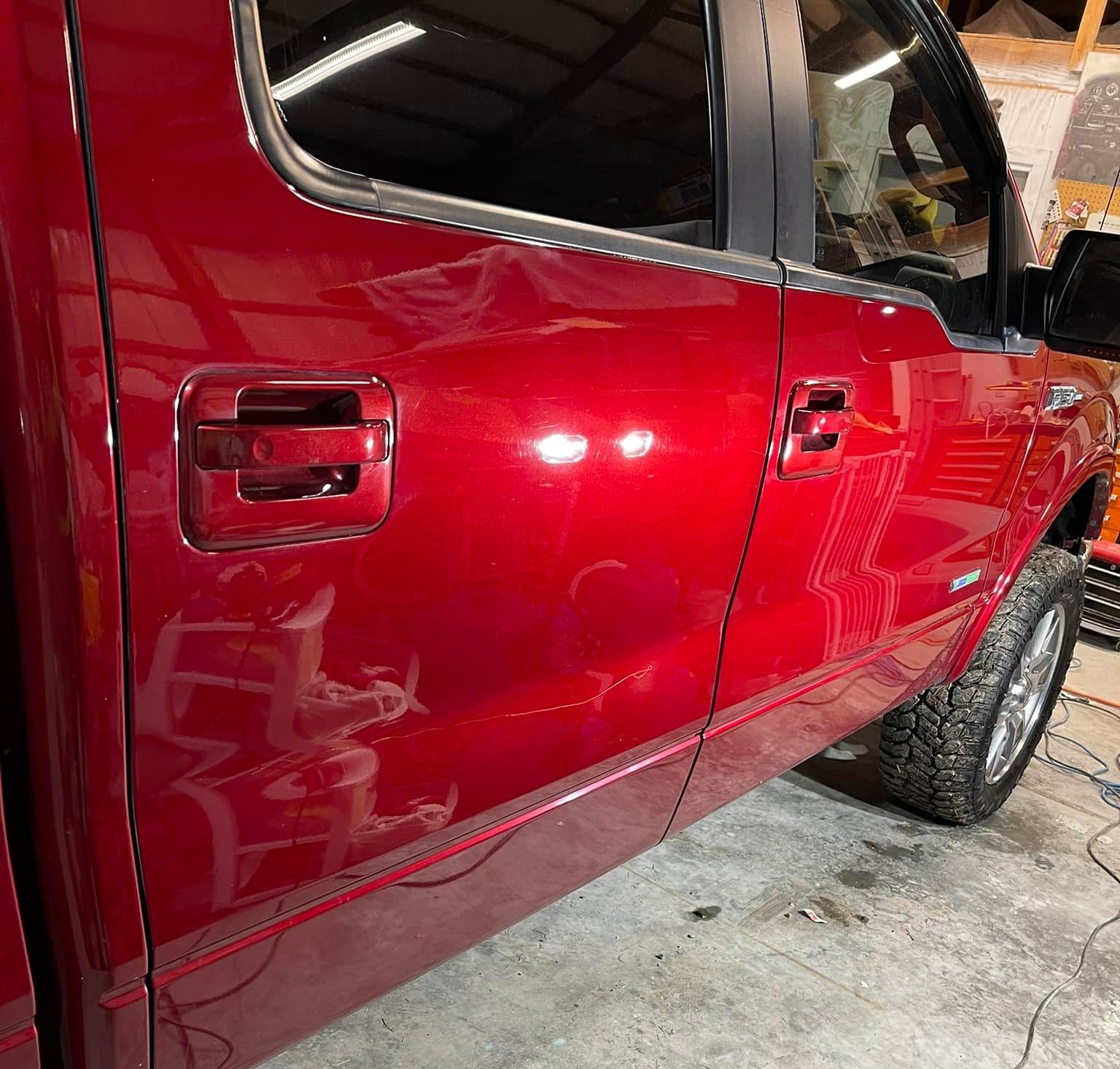
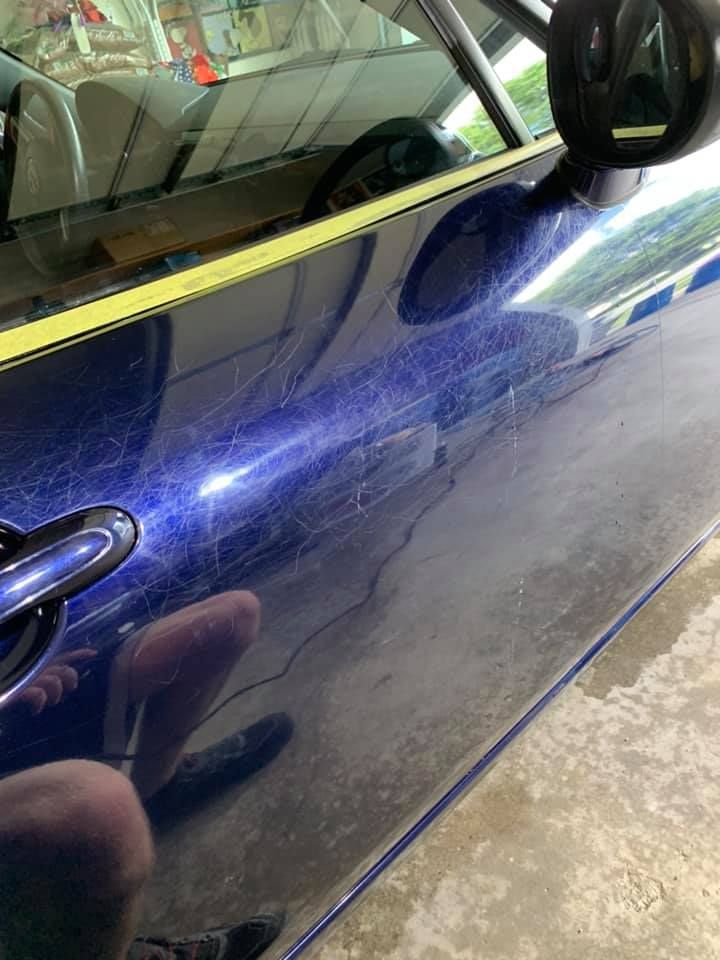
To understand why scratches are visible, it helps to explore how light behaves when interacting with different surfaces. In an undamaged area, the paint reflects light uniformly, creating a smooth, glossy appearance. However, when a scratch is present, it disrupts this smooth surface:
Refraction: Light entering the scratch behaves differently than it would on an unblemished area. The angles change as the light hits the edges of the scratch, producing shadows that draw the eye’s attention. This interaction can greatly amplify the visibility of scratches, particularly in vehicles that frequently utilize brush car washes, where the harsh bristles can leave behind numerous micro-marring scratches.
Dull Appearance: Over time, scratches can dull the paint’s finish, resulting in a "greyed out" look. The refractive qualities of scratched surfaces scatter light in ways that rob the paint of its original depth and brightness, leading to a lackluster appearance. This dulling effect can make your vehicle look older and less appealing, which is why addressing scratches is important for maintaining its aesthetic value.
Color Distortion: Depending on the scratch's depth, it can also affect the way color is perceived. Deeper scratches may reveal the primer or metal beneath, leading to additional visibility and color contrast.
Fixing and Minimizing Scratches
While it’s impossible to completely eliminate every scratch without extensive repainting, various methods can effectively minimize their appearance. Here are some commonly used techniques:
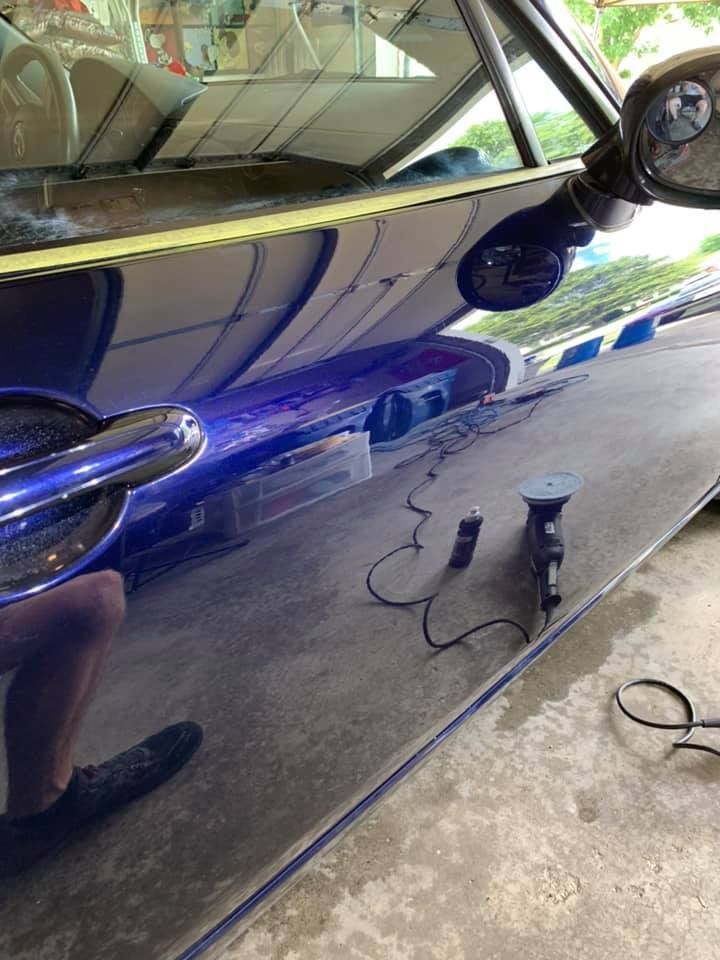
Wet Sanding: This process involves using fine-grit sandpaper and water to carefully remove a thin layer of the paint surface. By wet sanding, you are essentially leveling the surface and closing the gap created by the scratch, which reduces its depth and visibility. The water helps to keep the surface cool and minimizes the risk of additional damage.
Polishing: After wet sanding, polishing is often employed to restore the paint’s shine and create an even surface. Polishing compounds gently abrade the surrounding areas, further reducing the appearance of the scratch while enhancing the overall gloss. This is where the refractive properties of the paint can be brought back to life, allowing light to bounce off the surface more uniformly.
Touch-Up Paint: For deeper scratches that penetrate into the paint layer, applying touch-up paint can fill in the scratch and provide a more uniform appearance. However, this method requires careful application and blending to achieve satisfactory results.
Scratches in your vehicle's paint can be an annoying reality of car ownership, but understanding what they are and how to address them can help you maintain your vehicle's appearance. By utilizing techniques like wet sanding and polishing, you can effectively reduce the visibility of scratches and restore your paint’s shine. At Kearney Auto Restyling, we understand the nuances of paint care. If you're dealing with scratches or want to protect your vehicle from future damage, contact us today to learn more about our detailing and protection services!